
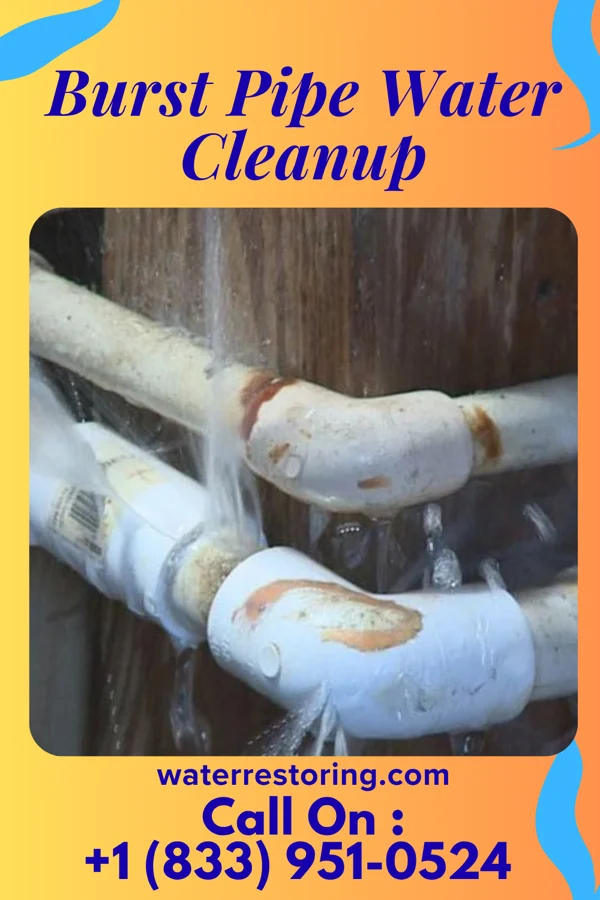
Shelton Pipe Burst Risk Drivers
Water damage in Shelton tends to cluster in predictable windows because of the local climate. Shelton, Connecticut, experiences a moderate risk of pipe bursts due to its suburban layout and older infrastructure in areas like Daniels Farm and Oronoque. The presence of older residential buildings with aging plumbing systems increases the likelihood of pipe failures, especially in neighborhoods such as Derby and Shelton Downtown. A close second is Secondary risks include the potential for frozen pipes during winter months, particularly in less insulated homes in Shelton's suburban areas. The city's proximity to the coast also means that saltwater intrusion can corrode underground pipes, increasing the chance of unexpected bursts..
Shelton's climate, characterized by cold winters and warm summers, presents unique challenges for plumbing systems. The city's suburban and rural areas, including neighborhoods like Oronoque and Daniels Farm, are particularly vulnerable to pipe bursts due to aging infrastructure and fluctuating temperatures.
Shelton's climate, characterized by cold winters and warm summers, presents unique challenges for plumbing systems. The city's suburban and rural areas, including neighborhoods like Oronoque and Daniels Farm, are particularly vulnerable to pipe bursts due to aging infrastructure and fluctuating temperatures. The dominant local driver is Shelton, Connecticut, experiences a moderate risk of pipe bursts due to its suburban layout and older infrastructure in areas like Daniels Farm and Oronoque. The presence of older residential buildings with aging plumbing systems increases the likelihood of pipe failures, especially in neighborhoods such as Derby and Shelton Downtown., with Secondary risks include the potential for frozen pipes during winter months, particularly in less insulated homes in Shelton's suburban areas. The city's proximity to the coast also means that saltwater intrusion can corrode underground pipes, increasing the chance of unexpected bursts. showing up as the next most common cause. Damage builds in stages. Spread. Absorption. Microbial growth. Structural compromise. Every stage you pass through adds to the final bill.